
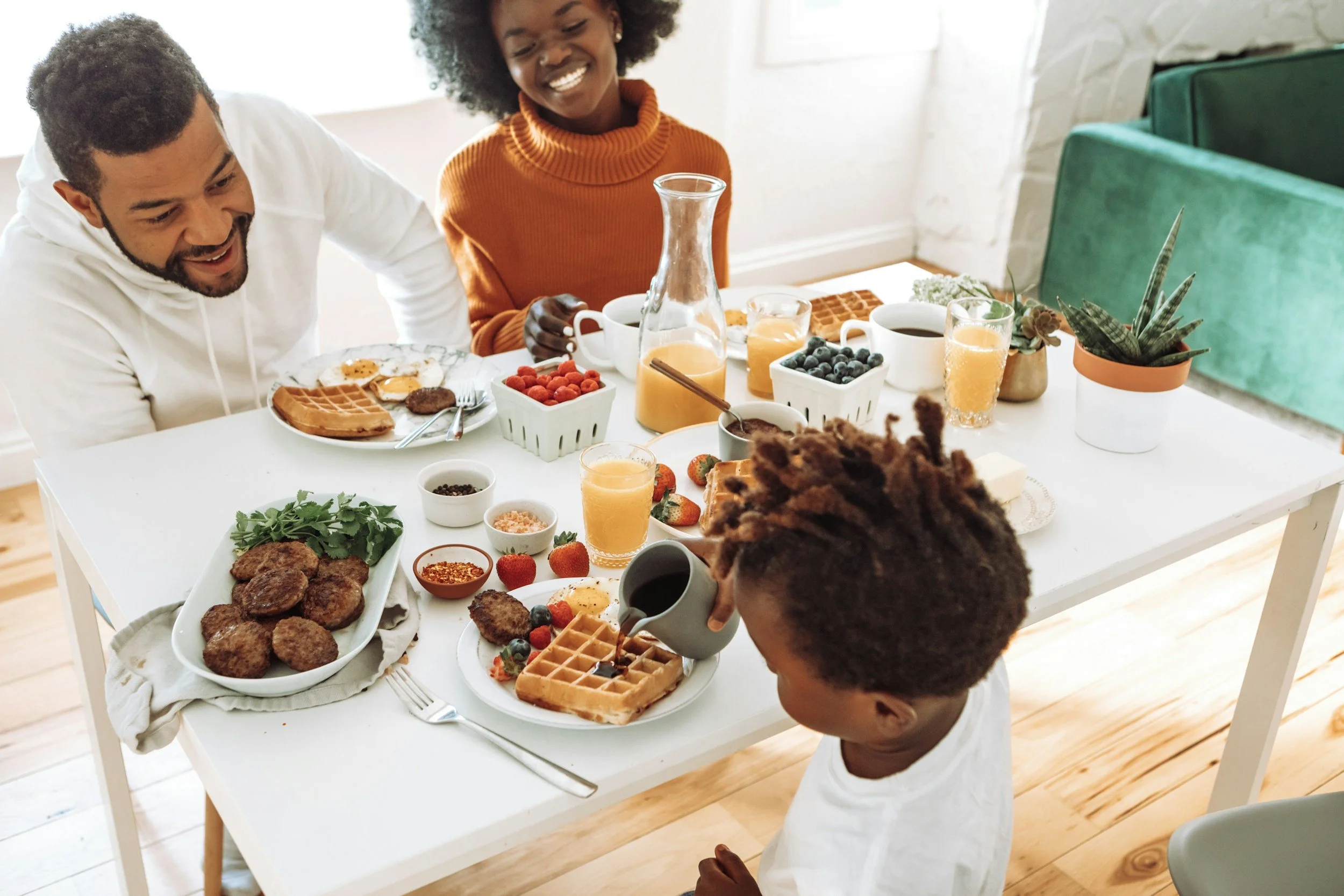
Why Meal Time Is a Secret Skill-Builder
Mealtime can feel like chaos, but it’s one of the most skill-rich moments of your child’s day. Here’s how the mess, the slowness, and the conversation at the table quietly build motor, sensory, language, and social skills.
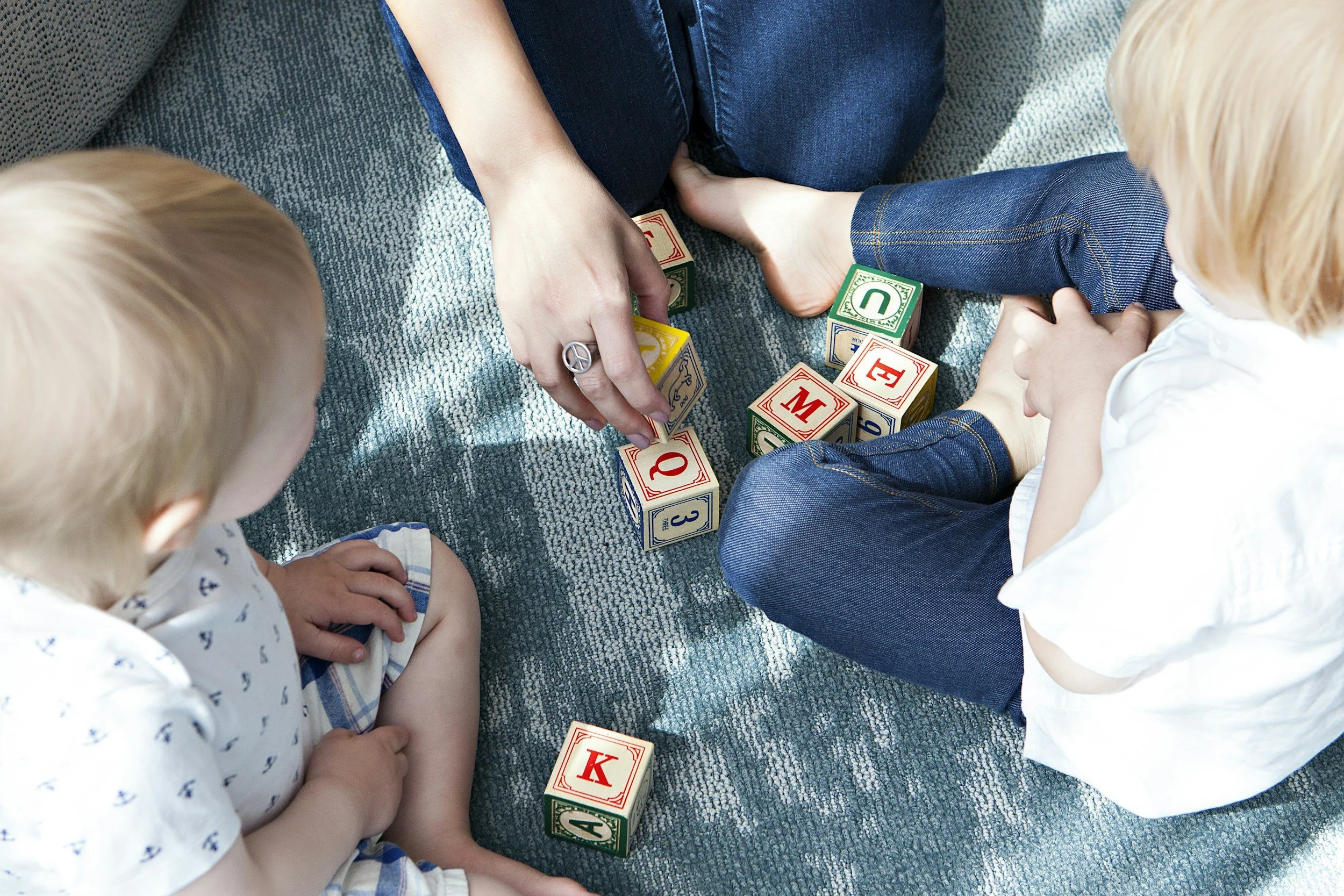
Play Isn't Just Play: The Developmental Power of Everyday Games
“Just playing” is never just playing. From stacking blocks to pretend play, every kind of play builds real developmental skills, and the best way to support it is to get down on the floor and join in on your child’s terms.
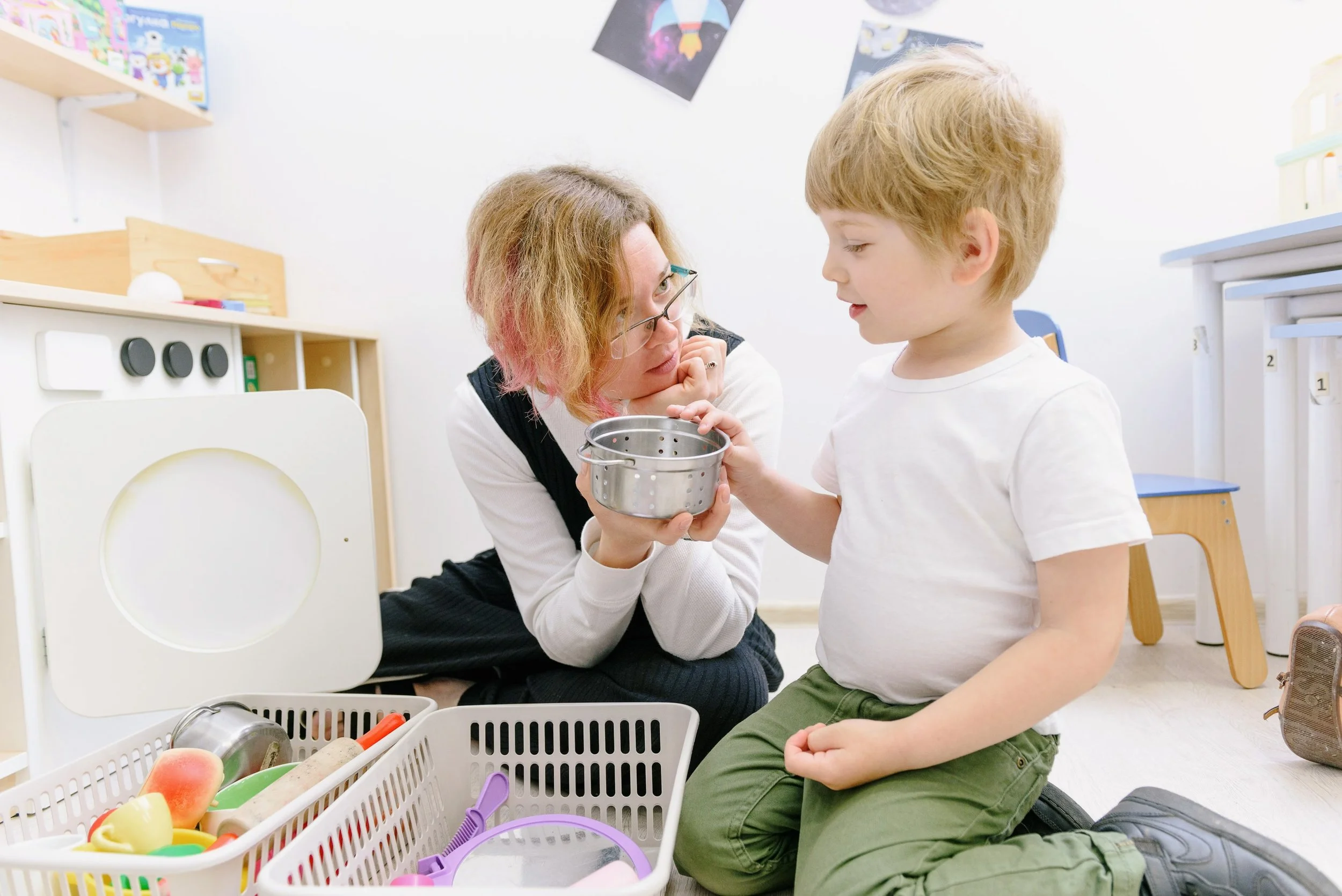
Classroom Routines as Learning Opportunities
Transitions like lining up and cleaning up aren't just logistics—they're where executive function skills actually get built. A look at why classroom routines deserve the same intentionality as lesson plans.
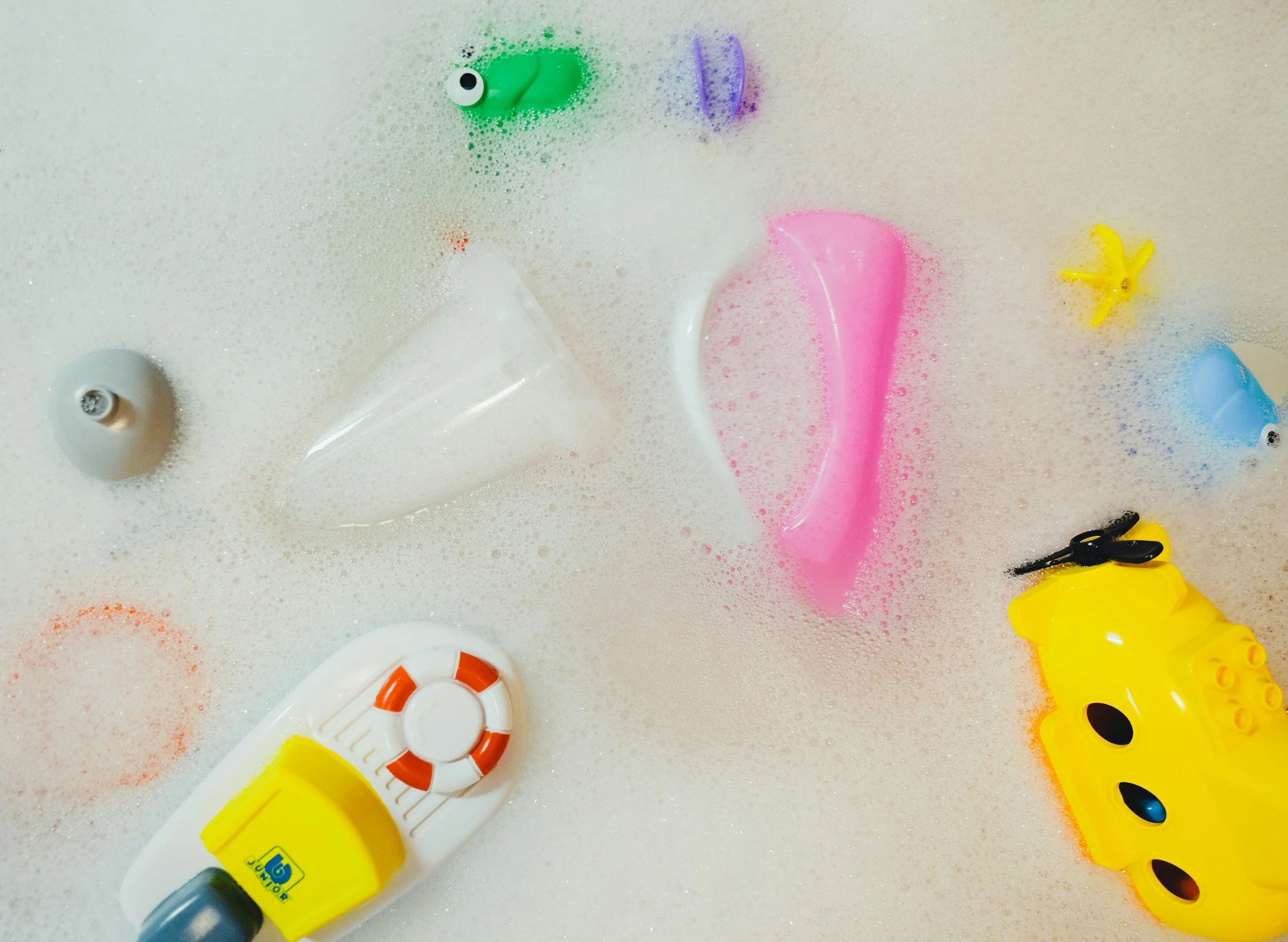
Turning Bath Time into a Learning Opportunity
Between naps, meals, and everything else, it's easy to assume learning only happens during "lesson time." But some of the richest developmental moments are hiding in the bathtub — in the pouring, the naming, the splashing. Here's what's already being taught, and the one small thing that makes it stick.

Why Young Children Hit, Bite, and Throw (and What to Do Instead)
Young children aren’t trying to give us a hard time—they’re having a hard time. And as their world gets bigger, so do their feelings, impulses, and needs. What we often label as “behavior” is really a child’s way of communicating long before their skills catch up. Today’s parenting approach recognizes this: connection isn’t a soft alternative to discipline—it’s the foundation that makes cooperation possible.
This guide shares simple, research-backed strategies that help you tune into what your child is really asking for beneath the tears, refusals, and power struggles. From connecting before correcting to offering choices and creating environments that set kids up for success, these tools shift the focus from controlling behavior to teaching skills. When we respond with presence, clarity, and compassion, we help our children feel safe enough to learn—and confident enough to grow.

“Why Tantrums Happen”
Young children are learning how to navigate a world full of big feelings, new experiences, and rapidly growing skills. Along the way, their behavior becomes one of the clearest windows into what they’re trying to communicate. When a child hits, bites, or throws, it isn’t a sign of misbehavior—it’s a sign that they’re still learning how to manage emotions that feel too big for their bodies.
Challenging behavior is part of early development, especially when language, impulse control, and emotional regulation are still emerging. These moments give us valuable insight into what a child needs: support, connection, and guidance—not punishment or shame.
In this guide, we’ll explore why big behavior shows up, what it’s communicating beneath the surface, and how you can respond in ways that build emotional skills, strengthen your relationship, and help your child feel safe and understood.
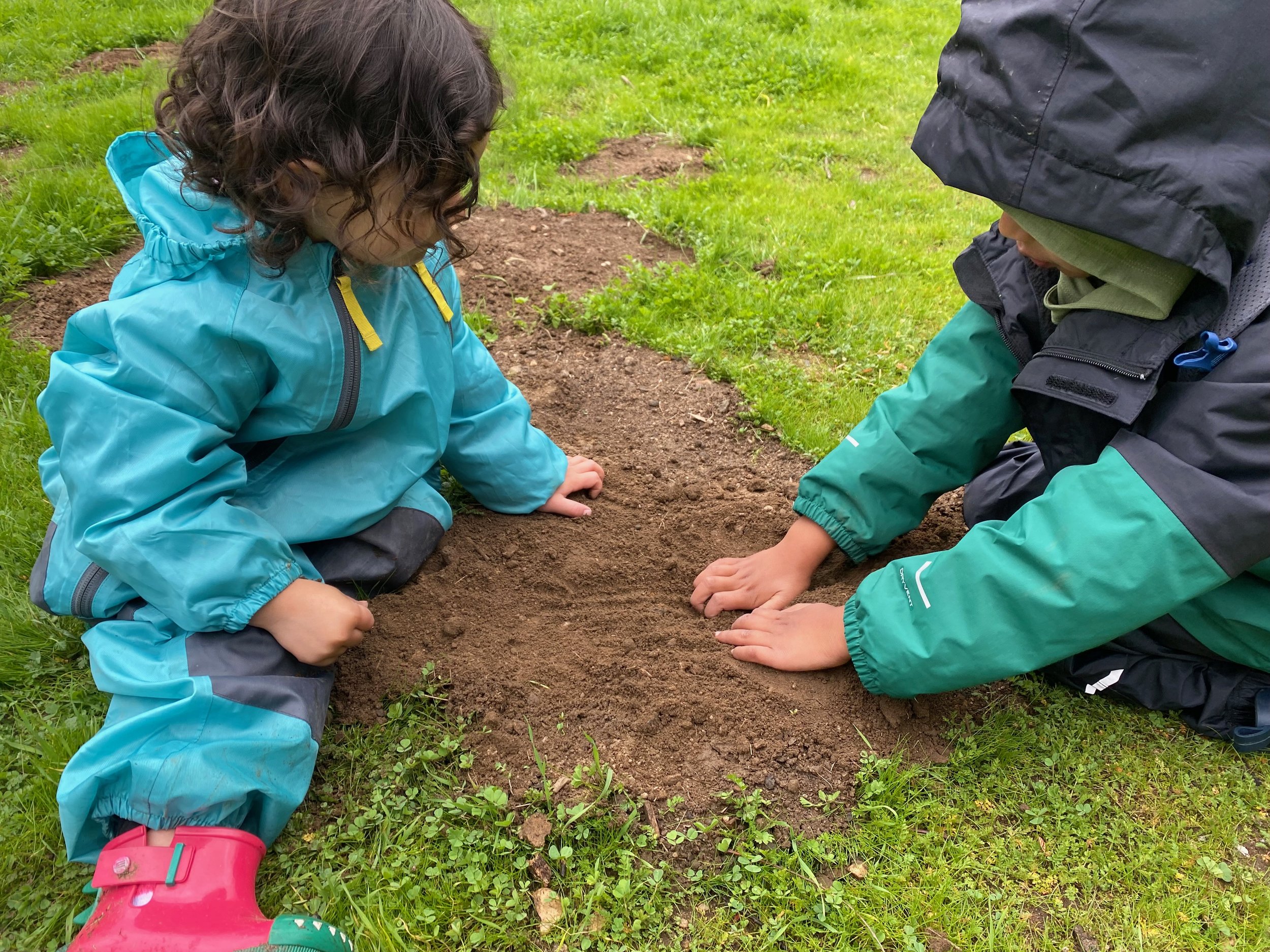
Connection over Correction, before addressing the behavior, address the child's internal state.
Raising young children means guiding tiny humans who are learning how to navigate big feelings, rapid development, and an expanding sense of independence. What we often call “behavior” is really communication—your child showing you what they can’t yet put into words. And in 2026, the shift in parenting isn’t about controlling behavior; it’s about understanding it. Connection has become the foundation for cooperation, emotional regulation, and long‑term resilience.
This guide breaks down simple, research‑backed strategies that help children ages 0–5 feel seen, supported, and capable. From connecting before correcting, to offering choices, to creating environments that set kids up for success, these tools help transform everyday challenges into opportunities for growth. When we respond with presence instead of pressure, we teach skills—not fear—and strengthen the relationship that makes cooperation possible.